Rabobank tips record milk output, strong 2026-27 payout but warns farmer margins to tighten
Rural lending specialist Rabobank expects the 2026-27 dairy season to be another strong one for farmgate milk prices, but says rising inflation will take its toll.
The bank also said the 2025-26 milk season, which ends on May 31, is on track to becoming the largest on record, with output more than 4% ahead over the 11-month period until April 2026.
Production is now well positioned to surpass the previous all-time annual record set in the 2020-21 season, Rabobank dairy analyst Emma Higgins said.
“New Zealand’s elevated milk supply is likely to carry into the opening months of the 2026-27 season, however the anticipated record-setting 2025-26 production level will be difficult to surpass,” she said in a report.
After a string of strong Global Dairy Trade (GDT) auctions, Rabobank expects a robust opening milk price from dairy co-op Fonterra of $9.50 to $10.00 per kg of milksolids for the 2026-27 season.
However, the bank said the inflationary impacts of geopolitical disruption were likely to squeeze farmer margins in the new season, making disciplined cost control and scenario planning essential.
Fonterra is expected to release its opening forecast for 2026-27, and its third quarter earnings update, on Thursday.
A string of strong Global Dairy Trade auctions have supported upward revisions to Fonterra’s milk price forecasts for the current season.
In addition, farm balance sheets have been boosted by a $3.2 billion capital repayment arising from Fonterra’s sale of Mainland to Lactalis last year.
Farmers have also received $700 million from a 16c special dividend arising from Fonterra’s share of the consumer business’s earnings before the sale went through, with a strong 24c interim dividend.
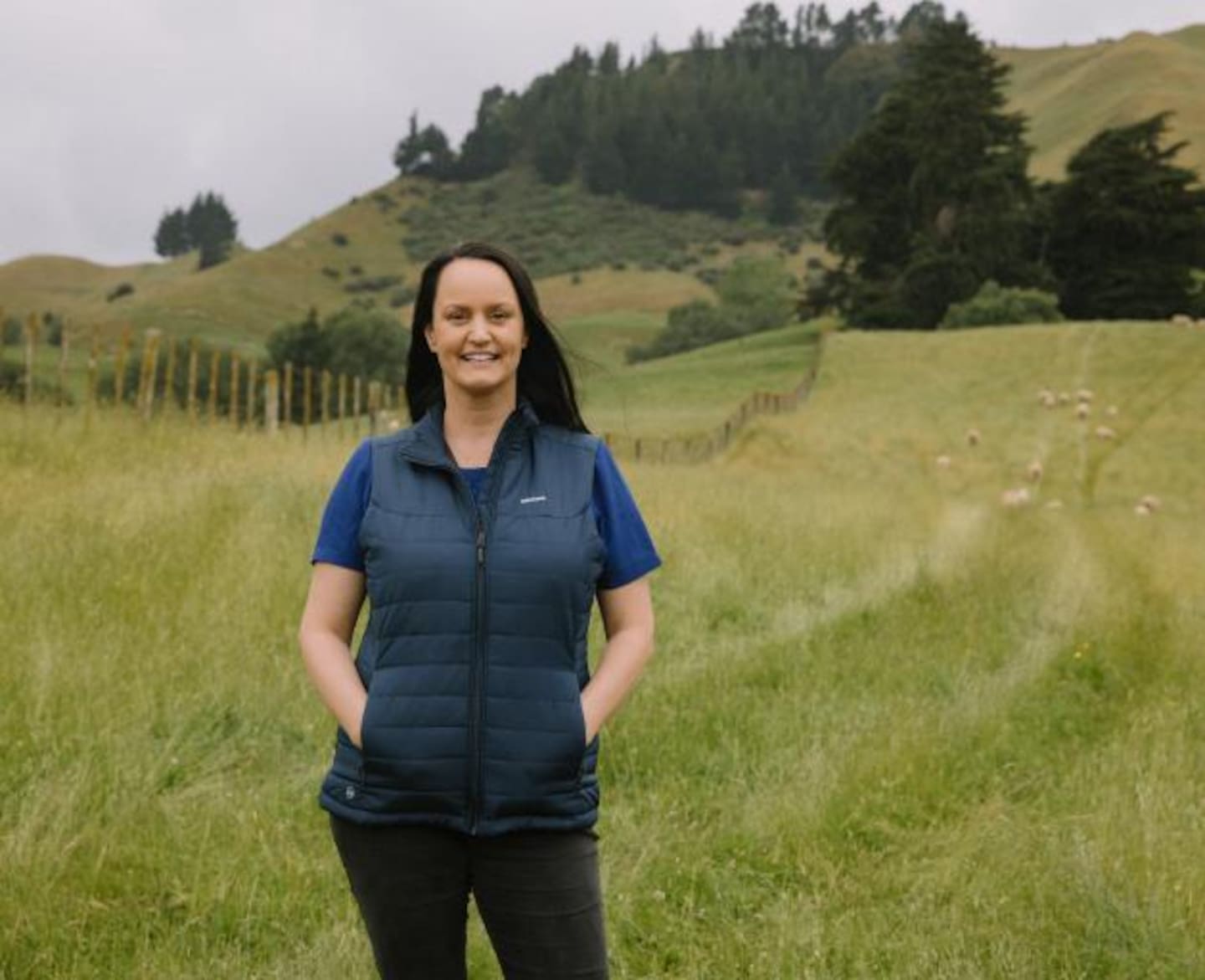
Higgins said Fonterra’s forecast of $9.70/kg for the 2025-26 season was “highly profitable” for farmers.
“And for Fonterra suppliers, strong capital returns and healthy dividends provide an extraordinarily solid foundation heading into next season,” she said.
“Given ongoing competition for milk supply, Fonterra may again take a strong approach to its opening forecast.
“This could see the midpoint of the range skewed higher to support a stronger opening figure, similar to last season and more closely aligned with spot market signals.”
While the 2026-27 dairy season is expected to be profitable, Higgins said New Zealand dairy farmers would face a marked squeeze on margins, driven by persistent and broad-based cost inflation.
“The ongoing closure of the Strait of Hormuz – now approaching its fourth month – is creating conditions reminiscent of past stagflationary shocks.
“Initial impacts, particularly higher energy prices, are now flowing through into key upstream dairy inputs, including diesel, fertiliser, and industrial goods.
“Second-round effects are also emerging, with elevated energy costs feeding into broader inflation expectations,” Higgins said.
From here, the outlook was significantly more uncertain.
“The key variable is the duration of disruption: the longer the closure persists, the slower and more uneven the normalisation of energy and input markets is likely to be,” Higgins said.
“Inflationary pressures and weakening consumer sentiment are already testing demand resilience in dairy markets, and we expect this to continue over the months ahead,” she said.
“However it’s also possible that in a prolonged disruption scenario, global food import demand could rise sharply in a bid for food security, as energy-importing nations move to secure supply amid deteriorating terms of trade.”
Rabobank said the coming season may signal the beginning of a new structural phase for local milk production, characterised by a higher baseline level of output.
Since 2014, production has largely oscillated within a relatively narrow band, however, the performance of the 2025-26 season suggested the industry may be breaking out of this range, she said.
Jamie Gray is an Auckland-based journalist, covering the financial markets, the primary sector and energy. He joined the Herald in 2011.
- Stay ahead with the latest market moves, corporate updates, and economic insights by subscribing to our Business newsletter – your essential weekly round-up of all the business news you need.