Millions in taxpayer cash on the line as Government pushes for Wellington premiere for Avatar sequel
An image from the made-in-New Zealand sequel Avatar: The Way of Water. Photo / Disney
- The Government and the producers of the Avatar sequels signed a deal in 2013 that required one of the sequels to have a red-carpet premiere in New Zealand in return for taxpayer subsidies.
- The second sequel covered by this deal will have a premiere at the end of the year.
- Finance Minister Nicola Willis, a Wellingtonian, suggested the capital would be a good location.
Finance Minister Nicola Willis wants to see the latest film in the Avatar franchise, Avatar: Fire and Ash, premiere in Wellington when it is released at the end of this year, fulfilling a decade-old deal between the film’s producers and the Government.
There is a good chance Willis will get her wish – that at least one of the three sequels to the original Avatar is premiered in New Zealand is one of the requirements the film’s producers must fulfil to receive their final payment under New Zealand’s film subsidy regime.
Based on current levels of spending, that final payment would be worth about $60 million. Other demands must also be met to receive the payment.
The Avatar sequels have been produced thanks to a generous subsidy from the taxpayer, which has paid out $237m in public funds to the producers of the franchise so far in return for $1.19 billion spent producing the films in New Zealand.
In return for an additional final payment worth 5% of the film’s spending in New Zealand, the producers of the films agreed to host at least one red-carpet premiere of the three Avatar sequels in New Zealand. The premiere is unlikely to be the film’s global premiere.
In 2013, the producers of the films, Lightstorm Entertainment and Twentieth Century Fox Film Corporation, then owned by Rupert Murdoch’s News Corp and now owned by Disney, signed a memorandum of understanding (MoU) with the Government to access additional public funds for the films.
The basic rate of subsidy under New Zealand’s International Screen Production Grant entitles the film-makers to a 20% rebate on every dollar spent producing the films in New Zealand (with certain conditions).
Film-makers on especially significant films can get an additional 5% rebate on production spending if they meet certain conditions agreed in advance between the Government and the film producers. The conditions are flexible and can be altered with mutual agreement.
In the case of the Avatar sequels, one of those conditions is that the film-makers host: “An official red-carpet premiere and after-party for at least one of the new Avatar films[...] in New Zealand (including attendance in person by some key cast and crew – subject to professional availability).“
The first sequel did not have a red-carpet premiere in New Zealand. It was released in 2022 when Covid travel restrictions, which were still quite strict at the beginning of that year, might have made New Zealand unappealing.
The deal was agreed by the then Arts and Economic Development Ministers Christopher Finlayson and Steven Joyce. Joyce was recently confirmed as the chair of NZME, the publisher of the NZ Herald.
“I would love to see Wellington as a host to an Avatar: Fire and Ash premiere. Wellington is a powerhouse of the movie-making world and what better place to celebrate a New Zealand-made film production than in New Zealand’s film capital,” Willis said.
Shane Wilson, Ministry of Business, Innovation and Employment (MBIE) manager economic development policy, said the agency had no comment to make about the red-carpet premiere and Disney had not yet released details of premiere locations.

Wilson said this type of information is “generally embargoed until just before a film’s release date”.
Wilson said the final payment of the 5% “uplift” was “only made on completion of agreed requirements“.
“In this case, Disney will need to demonstrate how they’ve met the requirements of the MoU before a final payment will be made.
“MBIE, NZFC [New Zealand Film Commission] and Disney are in ongoing discussions about fulfilling the MoU obligations,” Wilson said.
Disney said its premiere plans had not yet been announced.
If a 5% uplift was applied to the spending currently lodged by the Avatar producers, it would total $59.3m.
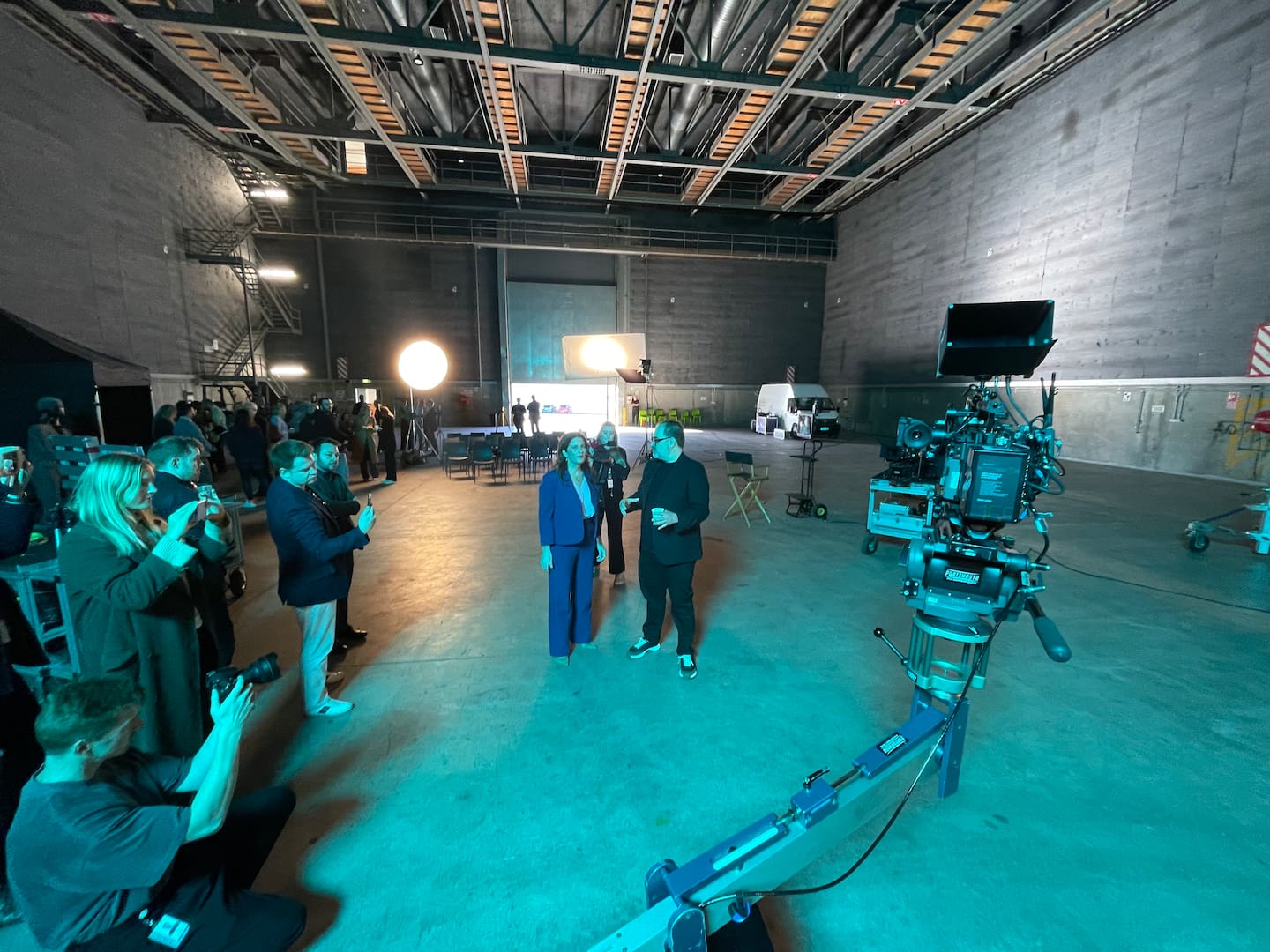
Willis visited the Wellington studio that hosted the Avatar producers in May when she announced a half a billion dollar top-up to the funding for the film subsidy regime.
Meeting the film-makers, Willis joked that she enjoyed a film full of blue people.
The film is due for release on December 19 this year. Two further sequels are in development and slated for release in 2029 and 2031.