Why Andrew Coster would have been sacked if he hadn’t resigned – Sir Brian Roche
Public Service Commissioner Sir Brian Roche says he would have sacked Andrew Coster “if I’d had to”, saying the noise resulting from Coster’s involvement in the Jevon McSkimming scandal made his position leading the Social Investment Agency untenable.
Roche is also defending the three weeks it took from Coster going on leave as the agency chief executive to today’s announcement, claiming it led to the taxpayer stumping up the “least cost”, which includes paying the former Police Commissioner almost $124,000.
Coster today confirmed he had resigned from the agency, taking “full responsibility” for the litany of failings highlighted by last month’s Independent Police Conduct Authority (IPCA) investigation into senior police leaders’ handling of allegations McSkimming, the former Deputy Police Commissioner, was a sexual predator.
“I regret the impact on the young woman at the centre of this matter and sincerely apologise to her for the distress caused,” Coster said in a statement.
“I accept that I was too ready to trust and accept at face value Deputy Commissioner McSkimming’s disclosure and explanations to me. I should have been faster and more thorough in looking into the matter.”
Roche, in an initial statement, acknowledged Coster’s decision as the “right thing to do” but also noted the IPCA finding “no evidence of corruption or cover-up”.
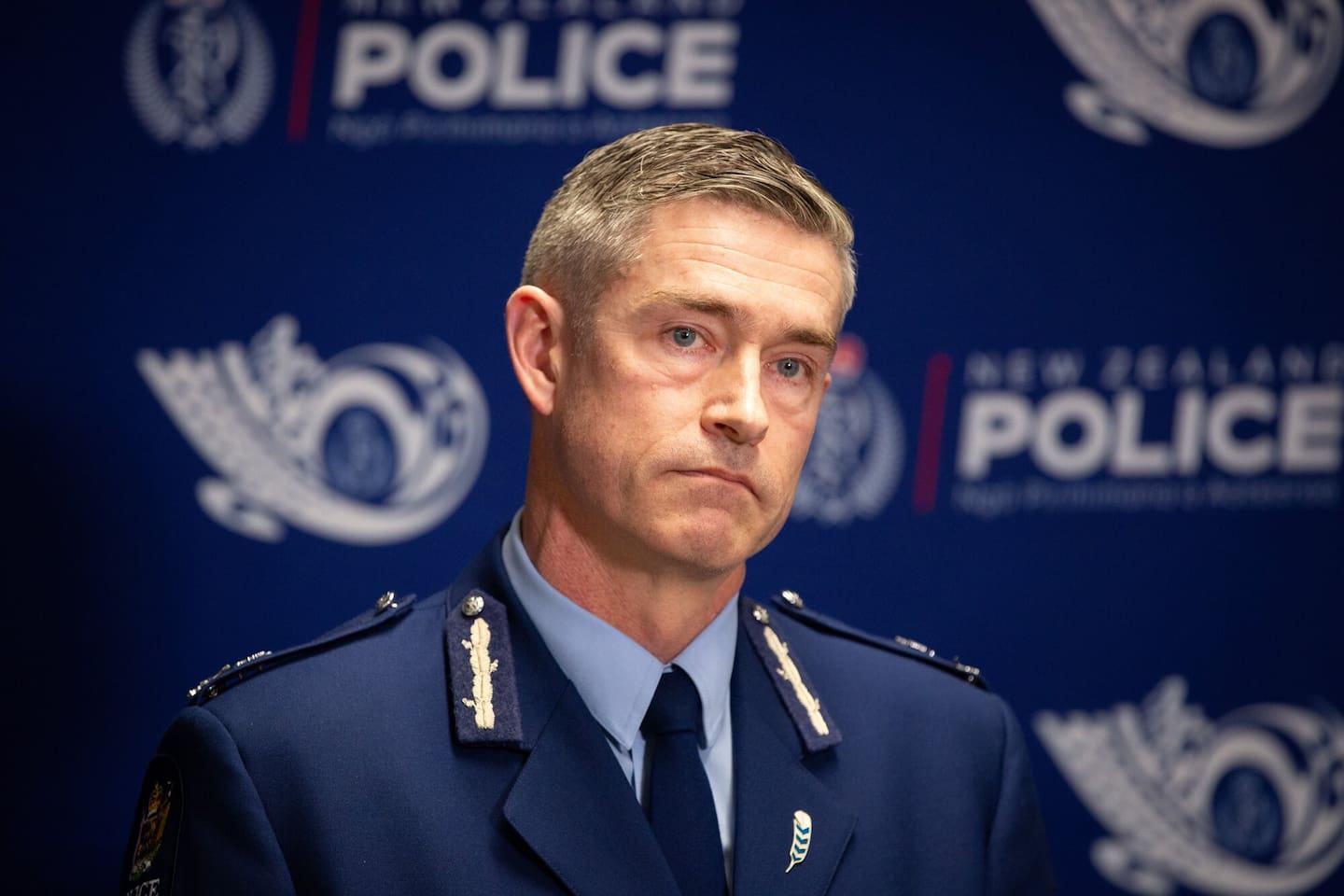
Speaking to the Herald, Roche confirmed that had Coster not resigned, he would have reached the same conclusion.
“All options were on the table. If I’d had to [sack him], I would have. I didn’t have to because he made the right professional decision.”
Roche explained his decision was based on a variety of factors. That did not include a belief Coster had committed any personal wrongdoing; instead, the view was that as commissioner, Coster was ultimately responsible.
“I’m not of the view that he has committed anything personally and the IPCA were very clear that they didn’t find issues of corruption or, in my language, collusion of officers,” Roche said.
“But there were a series of events which cumulatively painted a story and he was accountable for that organisation.
“If there is failure of that nature, then there has to be some form of remedy or sanction.”
Coster had four years left on his contract as chief executive. As part of his exit, Coster would receive three months’ pay in lieu of notice.
Coster’s base salary was $495,825, meaning three months would be worth just shy of $124,000.

Roche argued the payment honoured Coster’s employment contract and was “unavoidable”.
Citing Crown Law advice, Roche said Coster’s situation presented “significant legal risks”, which informed his measured approach once Coster was on leave three weeks ago.
During that time, Roche and Coster had “extensive engagement”, during which Roche put questions coming from the IPCA report to Coster to respond to in writing.
Roche suspected even Coster understood the likelihood of continuing as chief executive, saying he came to the decision towards the end of last week.
“As we went backwards and forwards, I think it dawned on [Coster] that the appropriate thing to do was to resign.
“I was of the view that that was going to be extremely difficult because there was so much noise, there were so many questions, people had lost confidence in him.”
Roche said he was “very comfortable” with the three-week duration as it produced the least cost and least disruption to the taxpayer”.
“I recognise that some would say it’s taken longer than it should have, and there may be some merit in that, but the reality is we were looking to have a process that could withstand scrutiny, that obviously met the requirements of the law, but also did not expose the taxpayer to unnecessary expense.
“We’ve got an outcome of his decision that the public were looking for, he’s no longer employed, and he’s apologised and taken accountability, I’m sort of struggling what more you could do by way of outcome.”
Roche said he still had respect for Coster, acknowledging at the heart of the issue was McSkimming, who was “at best, devious” in what he told police colleagues.
“I think it is sad that these outcomes have occurred, but I think they’re the right outcomes and are necessary in the circumstances because a public sector agency can’t be successful if there are ongoing doubts about the integrity.”
Alistair Mason, who had been acting chief executive while Coster was on leave, would continue in the role through to the end of January. Roche said the commission would engage with Social Investment Minister Nicola Willis over the next few weeks to discuss selecting a permanent replacement.
Despite the upheaval, Roche didn’t believe it would critically impact the Government’s aspirations for the Social Investment Agency.
“I remain really confident of [the agency’s] ability to achieve the outcomes, it would have been better if [Coster] was able to have continued in his role but ... I have to deal with reality.
“The minister’s demands of it remain constant, and she is ambitious, and I’m required now to find somebody who can meet those demands.”
Adam Pearse is the Deputy Political Editor and part of the NZ Herald’s Press Gallery team based at Parliament in Wellington. He has worked for NZME since 2018, reporting for the Northern Advocate in Whangārei and the Herald in Auckland.